
Adam and Eve were neither Jewish nor Gentile, as they predated the ethnic, national, and religious distinctions that define these terms, which emerged much later in biblical history. As the first humans and ancestors of all people, they represent humanity in its initial state.
No National/Ethnic Categories: Racial, geographical, and national distinctions did not exist when Adam and Eve were created.
Definition of Terms: The term "Jew" is generally associated with the descendants of Jacob (or Abraham), while Gentiles are typically defined as non-Jewish nations. Since Adam and Eve predate these classifications, they cannot belong to either group.
Ancestors of All: Adam and Eve are considered the progenitors of all humanity.
Relationship to God: They were simply humans created by God, existing before the Mosaic Law or the covenant of Abraham.
The separation of humanity into Jews and Gentiles is generally understood to have begun with Abraham (Genesis 12) or more strictly with Jacob/Israel (Genesis 32).
Jesus Christ, the begotten son of God.
Jesus Christ is the firstborn of all creation, that includes angels and humanity. Jesus (as the pre-existent Word or Son of God) was not Jewish in heaven before the world was created, as Judaism is a covenantal faith rooted in human history, lineage, and law (Torah). He became Jewish upon his Incarnation, born to a Jewish mother and raised in 1st-century Judea.
Pre-existence: Before the world existed, Jesus existed in a divine state, not a human, ethnic, or religious one.
The Incarnation: When the Word became flesh, he entered human history as a Jew, born to Mary and Joseph, fulfilling Jewish prophecy as the "Son of David".
Life and Mission: While on Earth, Jesus lived, taught, and died as a Jew, observing the Torah and celebrating Jewish festivals.
Eternal Significance: Some theological perspectives highlight that the resurrected Jesus retains his Jewish identity in heaven, affirming the eternal significance of his earthly, covenantal life.
In summary, the humanity (and thus Jewishness) of Jesus began with the Incarnation, not in his pre-existent state. God chose Israel as His treasured possession
based on His love and sovereign choice, not because of their size, power, or righteousness. He chose them to fulfill promises made to Abraham, to represent His character, to bring the Messiah into the world, and to act as a model nation for all nations.
Key Reasons from Scripture:
To Fulfill Promises (Covenant Faithfulness): God chose Israel to honor the covenant made with their ancestors—Abraham, Isaac, and Jacob. Deuteronomy 7:8 states God chose them because He loved them and kept the oath He swore to their ancestors.
Divine Love and Grace: The choice was based on God’s sovereign love, not on any inherent merit, strength, or superior righteousness of the Israelites.
To Bring the Messiah: Israel was chosen as the physical lineage through which Jesus Christ would be born to save the world.
To Be a "Set Apart" Nation: God wanted a distinct people to represent His character and laws on Earth, acting as a "light" to other nations.
To Demonstrate His Power: God purposefully chose a small, weak nation (the "fewest of all peoples") to show that their success came from His strength, not their own.
Ultimately, the biblical perspective is that Israel was not chosen to be better than others, but to bear the responsibility of revealing God's plan for redemption to the entire world. God chose Israel not because they were superior, but due to His love, faithfulness to His promise to Abraham, and to set them apart as a holy, priestly nation to represent Him to the world. They were designed to be a light to the nations, preserve the Scriptures, and bring the Messiah (Jesus) into the world.
Key reasons for this choice include:
Fulfilling a Promise: God chose them to keep the oath He made to Abraham, Isaac, and Jacob to bless their descendants.
Divine Love and Grace: God set His love on them simply because He loved them, not due to their size or strength.
A "Light" to the Nations: Israel was meant to act as a model nation (a "kingdom of priests") to reveal the one true God to a pagan world.
Strategic Location: Placed on a land bridge between major ancient civilizations, they were positioned to spread knowledge of God.
The Bible emphasizes that this choice was for function, not favoritism, as they were often held to higher accountability and suffered consequences for disobedience.
First the Jew and then the Gentile. God’s perfect wisdom was created by his choice, it just happened that the Jew was his word and the Gentile must obey the word. It does not mean that the Jew is any better. The Jew is no better than the Gentile or finds no more favor other than what God had promised for both, his word and humanity in the law and order. Sin is sin for both the Jew and Gentile and forgiveness comes only through the blood of Jesus Christ. We will never hear Jesus Christ boast about his heritage in a prideful and sinful word, unlike the judgment casted for such pride! God’s establishment is his word first and then his acts, which includes Jews and Gentiles.
Today, many fundamental Jews have not acknowledged the fact that Jesus Christ came, suffered and died, was buried and rose again. We now can refer to what lyes ahead, The Great Tribulation.
"To the Jew first and also to the Greek (Gentile)" is a foundational biblical principle from Romans 1:16, defining the gospel as God's power for salvation to everyone who believes, beginning with the Jewish people, then expanding to all nations. This phrase highlights both historical, covenantal priority and universal equality in redemption.
Key Aspects of "To the Jew First" (Romans 2:10)
Theological Meaning: It signifies that the Gospel is the power of God for salvation for all, but it was revealed to the Jewish people first (Romans 9:4–5) as God's chosen people.
Historical Sequence: Chronologically, the gospel was presented to the Jews first, as seen in Jesus’s earthly ministry to the lost sheep of Israel, and in the early church's, particularly Paul's, missionary journeys.
Equal Standing: While the order is "first" the Jew, it does not mean superiority. It signifies that both Jews and Gentiles are saved the same way—by faith in Christ.
Role of the Jew: The Jews are prioritized in the gospel because they are recipients of the covenants, the Law, and the promise, with Jesus himself being a Jew.
Context: Paul uses this phrase in Romans to address the relationship between Jewish and Gentile believers, emphasizing that God's promises remain for Israel while extending grace to all (Romans 11).
GotQuestions.org +9
Biblical Context
Romans 1:16: "For I am not ashamed of the gospel of Christ: for it is the power of God unto salvation to every one that believeth; to the Jew first, and also to the Greek" (KJV).
Romans 2:10: Mentions that glory, honor, and peace come to everyone who does good, "to the Jew first, and also to the Gentile" (or Greek).
Acts 1:8: Jesus defines the witness, starting in Jerusalem (Jewish center) to the ends of the earth (Gentile world).
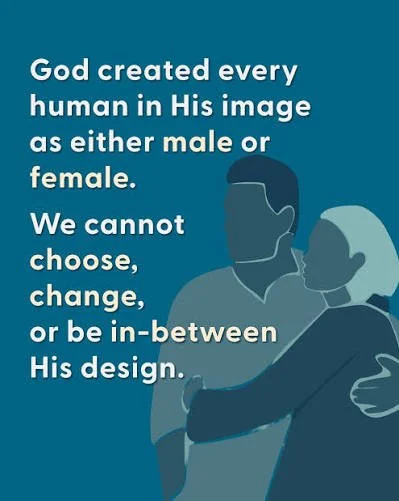
MANKIND CHOSE DEATH AND DISOBEYED GOD.
GOD CREATED A JEWISH NATION FROM A GENTILE. Before God called him (originally named Abram), Abraham was a Gentile from Ur of the Chaldees. He was a Mesopotamian, likely a pagan or idolater living among polytheistic worshippers.
He was not a Jew, as that designation derived from his descendant Judah, nor an Israelite, but was a Hebrew. Hebrews were not always referred to as "Jewish" in the Bible; the terms Hebrew, Israelite, and Jew represent different, successive, and overlapping eras of the same people. "Hebrew" refers to the early patriarchal period, "Israelite" to the kingdom era, and "Jew" to the post-exilic period.
Key Historical Distinctions:
Hebrews (Patriarchal Age, ~2000–1500 BCE): The earliest term, referring to Abraham and his descendants, often meaning "one who crossed over" the Euphrates.
Israelites (First Temple Age, ~1500–500 BCE): Descendants of Jacob (renamed Israel) who formed a nation. They were twelve tribes, not merely inhabitants of the later kingdom of Judah.
Jews (Second Temple Age/Exile onwards): The name originated during the Babylonian exile, referring to people from the southern Kingdom of Judah.
Definition Nuance: While all Jews are descendants of the ancient Hebrews, not all ancient Hebrews were called Jews in the biblical narrative.Key details regarding Abraham's life before his calling:
Background: He lived in Ur of the Chaldeans, part of Sumer, before settling in Canaan.
Family Tradition: He came from a family of idol worshippers; tradition suggests his father, Terah, was involved in making idols.
Religious Transition: Some traditions suggest he was a "Noachide" or philosophical monotheist who discovered the one true God independently before the formal covenant.
Identity: He was a Gentile (non-Jew) whom God chose to initiate a new nation.